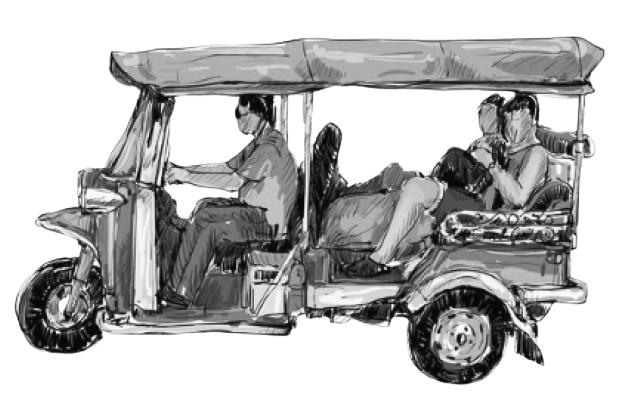
Rickshaws are the soul of Pakistan's urban transport. These three-wheelers - with their vibrant colors and unique designs - zip through the bustling streets, offering an affordable and quick way to get around. Whether it’s Karachi's iconic yellow and green rickshaws or other modern variations, they remain a symbol of dexterity and charm, connecting people across cities for decades.
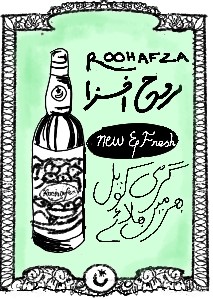
Rooh Afza, often called the "refresher of the soul," is a beloved drink in Pakistan, especially during iftar, in the holy month of Ramadan. This concentrated syrup flavors sherbets, cold milk drinks, and desserts like falooda. Rooh Afza isn’t just a drink — it’s a part of childhood memories, family gatherings, and festive moments.
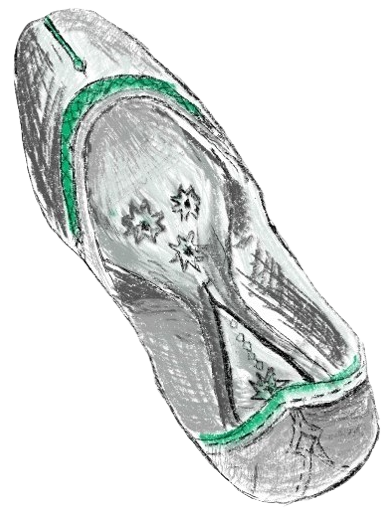
Khussas are more than traditional Pakistani footwear—they’re a window into the country’s rich history and craftsmanship. Dating back to the Pre-Mughal era, their journey began with wooden soles, inspired by Chinese designs. Over time, leather replaced wood, offering comfort and durability. Today, these intricately hand-stitched shoes reflect a blend of tradition, artistry, and timeless style.
The vision of a separate Muslim state began as a dream—a hope for a land where Muslims of the Indian subcontinent could live with dignity and freedom. At the heart of this idea was Allama Iqbal, known as the "Spiritual Father of Pakistan". Through his poetry, Iqbal inspired a sense of identity, unity, and purpose among Muslims. His verses were more than just art; they were a call for self-awareness and collective awakening. Iqbal’s concept of Khudi (selfhood) emphasized self-respect, inner strength, and the power of individuals to shape their destiny. His poetic vision not only stirred hearts but also laid the ideological foundation for the creation of Pakistan in 1947.